
Blog


Lip blush healing can be one of the biggest worries for clients before booking treatment. One of the most common questions I get is: “Will my lips stay that bright?”
The short answer is no. Lip blush changes a lot during healing, and understanding the process helps clients feel much more comfortable going into treatment.
If you’re considering lip blush in Durham or surrounding areas, here’s a realistic breakdown of what healing actually looks like day by day.
Immediately After Treatment
Straight after lip blush, lips usually appear: brighter, more defined, slightly swollen, and sometimes more intense than expected. This is completely normal.
The colour immediately after treatment is not the healed result. Fresh lip blush can heal 30–50% softer depending on:
skin type, lip undertones, lifestyle, aftercare and pigment retention. Some clients also experience mild tenderness or tightness for the first 24 hours.
Days 1–2: Swelling and Bold Colour
The first couple of days are usually when lips look the brightest.
Clients often worry they look “too pink” or “too dark”, especially if they’ve chosen a natural enhancement. This stage is temporary.
During this phase swelling usually starts reducing, lips can feel dry and the surface may begin tightening slightly. Hydration and proper aftercare are important here.
Days 3–5: Peeling Begins
This is the stage most people notice the biggest changes.
The lips begin lightly flaking or peeling as the surface skin renews itself. It’s important not to pick or peel the skin manually, as this can affect healed retention.
At this point, colour may look patchy, uneven or suddenly much lighter. This is normal healing behaviour and not the final result.
Days 5–10: The “Disappearing” Phase
Many clients panic during this stage because the pigment can appear to almost disappear. What’s actually happening is fresh skin is healing over the implanted pigment, causing the colour to temporarily soften dramatically.
This stage is very common with lip blush healing and usually resolves naturally over the following weeks.
Weeks 2–6: Colour Returns and Softens
As healing continues, the colour gradually settles back into the lips in a softer, more natural way. By this stage, the lips usually appear more blended, more even, and much more natural than immediately after treatment. The final healed result can take around 4–6 weeks to fully stabilise.
Some clients may need a touch up appointment to build colour, improve retention, or perfect small uneven areas. This is completely normal in semi permanent makeup treatments.
Why Do Some Lips Heal Differently?
Every client heals differently. Factors affecting healed results include previous filler, lip hydration, skin thickness, smoking, sun exposure, immune response, and aftercare compliance.
Some lips also naturally resist pigment more than others, meaning additional passes or touch ups may be needed to achieve the desired healed result.
Does Lip Blush Always Heal Naturally?
When performed correctly and healed properly, lip blush should heal into a soft enhancement rather than heavy lipstick.
The goal is usually improved symmetry, healthier looking colour, subtle definition and a fresher appearance. Healed lip blush should still look like your lips, just enhanced.
Lip Blush in Durham
If you’re considering lip blush in Durham and want realistic expectations about healing, aftercare, and healed results, it’s always important to choose a technician who explains the process honestly. Healing is a journey, and understanding each stage makes the process far less stressful for clients.
Frequently Asked Questions
How long does lip blush take to heal?
Surface healing usually takes around 7–10 days, while full healed results can take 4–6 weeks.
Does lip blush hurt?
Most clients describe lip blush as manageable rather than painful, though sensitivity varies from person to person.
Why does lip blush fade after treatment?
Temporary fading during healing is completely normal and part of the skin regeneration process.
Will I need a touch up?
Most clients benefit from a touch up appointment to perfect colour and retention once fully healed. Lip blush healing can be one of the biggest worries for clients before booking treatment. One of the most common questions I get is: “Will my lips stay that bright?”
The short answer is no. Lip blush changes a lot during healing, and understanding the process helps clients feel much more comfortable going into treatment.

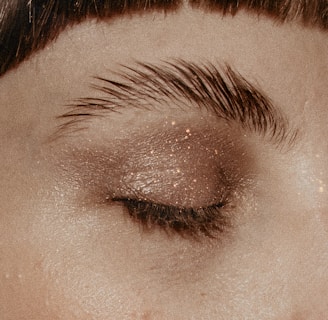
If you’ve been researching semi permanent brows, you’ve probably come across microblading everywhere. For years it was one of the most popular brow treatments in the beauty industry. But recently, more clients are starting to ask whether it’s still the best option.
As a PMU artist at Inkglow in Durham, I wanted to share my thoughts on microblading, who it works best for, and why many artists (including myself) are now moving towards softer machine brow techniques like powder brows, combination brows and hyperrealism brows.
What Is Microblading?
Microblading is a semi permanent eyebrow tattoo technique where tiny hair-like strokes are manually created in the skin using a handheld blade. The aim is to mimic natural brow hairs and create fuller-looking brows.
When done correctly on the right skin type, microblading can create beautiful results. However, it isn’t always suitable for everyone.
Why Some Clients Are Moving Away From Microblading
Over the past few years, the PMU industry has evolved massively. While microblading is still popular, many clients are now choosing newer techniques that often heal softer, last longer and age better in the skin.
Some common issues with microblading can include:
Poor retention on oily skin
Blurred or patchy healed strokes over time
Trauma or scar tissue from repeated treatments
Brows healing too ashy or grey
Uneven fading
This doesn’t mean microblading is “bad” — it just means it’s important to choose the right technique for yourskin type and long-term goals.
What I’m Offering Instead at Inkglow
At Inkglow, I’m currently focusing more on:
Powder Brows
A soft shaded brow effect that heals beautifully and suits most skin types.
Combination Brows
A mix of soft hairstrokes and shading for definition without looking harsh.
Hyperrealism Brows
A newer machine technique designed to create ultra natural hairstrokes with less trauma to the skin.
These techniques often provide more stable healed results, especially for clients with oily, mature or sensitive skin.
Is Microblading Right for You?
Microblading may still be suitable if you:
Have dry to normal skin
Prefer a very natural fluffy brow look
Have minimal previous PMU
Understand that maintenance is needed
However, if you’ve previously had microblading that faded patchy, blurred quickly or didn’t retain well, another brow technique may work much better for you.
Looking for Semi Permanent Brows in Durham?
I’m currently training further in advanced machine brow techniques so I can offer clients softer, longer-lasting healed results.
If you’re unsure which brow treatment is best for you, feel free to message me through Instagram or book a consultation.
📍 Inkglow – Durham, UK
Follow my journey as I transition from microblading into advanced PMU techniques including powder brows and hyperrealism brows.
Watch this space — exciting new treatments are coming soon.